
Interviewing with Social Anxiety
Interview anxiety is very common. Sometimes, anxiety will give you an adrenaline boost and help you to perform better on interview day. But for those with social anxiety disorder, even everyday interactions - let alone a job interview - can be difficult and, at times, debilitating.
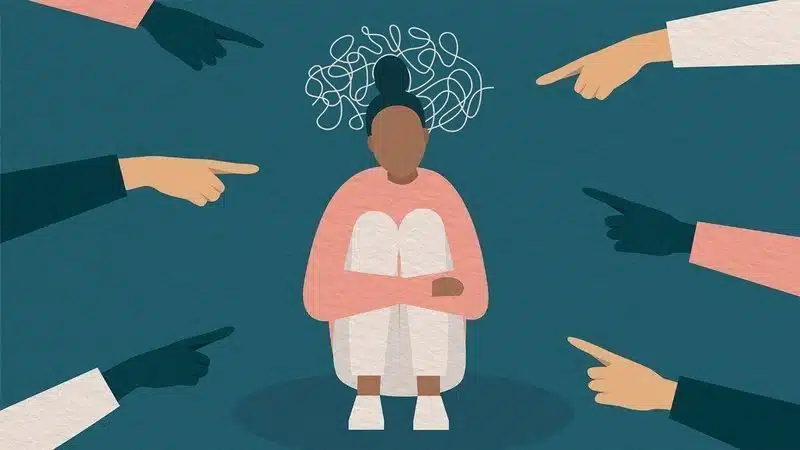
Each person’s set of social anxiety triggers is unique to them.
Some common causes of social anxiety can be: meeting new people, having to make small talk, being the center of attention, public speaking, being watched while doing something, and/or speaking with authority figures. Almost all of these triggers happen in an interview setting, so interviews can be especially taxing for those with social anxiety.
In her book “How to Be Yourself: Quiet Your Inner Critic and Rise Above Social Anxiety”, Ellen Hendriksen offers some helpful techniques to combat social anxiety. She notes in an interview that she often talks to clients who say “I wish I could hit pause on the world and I could retreat and work on myself and gain confidence and re-emerge confident and be ready to live my life.” She remarks “That is backward. A nice analogy is that of mood and action. We think we have to feel like going to the gym before going to work out. But if we lace up our shoes and go to the gym, often our mood catches up, and we’re glad we went.”
She proposes “magic questions” for socially anxious people to ask themselves before an event like an interview. It is important to be super specific in your questions. She says, “Anxiety is often vague and says things like “everybody will hate me” or “something bad will happen” or “what if something bad happens?” If we can specify, what exactly we’re afraid of, who exactly would “hate you,” sometimes that’s enough and we realize that our anxiety is not particularly credible and that the worst-case scenario that it’s spinning and is setting off our alarm bells is not likely.”
Interview anxiety tends to peak right before the interview begins.
With virtual interviews, many also find that they have intense anxiety about technology working properly. Social anxiety can peak during a transition, for example when you are sent to a new breakout room and have new people to meet. Receiving fewer social cues about overall body language can also make it feel like the cues we are getting are more critical. A person with social anxiety might interpret someone looking down as being bored, or they might view a person’s on-screen gaze as more discerning and unfriendly.
Practicing and rehearsing can help ease interview anxiety.
For those with social anxiety preparing for an interview, it will be important to identify some coping mechanisms ahead of time whether it be ideas for small talk conversation, transitional phrases you could use if you find yourself panicking such as, “Let me pause and reflect on that question for a moment.” Sometimes slowing down and allowing yourself a breath can also help ease anxiety.
OITE career counselors are here to help you prepare for interviews whether that is through strategizing responses or doing a mock interview.
If anxiety is something you contend with regularly, please remember OITE has resources to help.
OITE Well-BeingDisclaimer of Endorsement
These views and posted comments do not necessarily reflect those of the U.S. Department of Health and Human Services, the NIH, or the federal government.
Read this exit disclaimer for important information regarding linked websites.